Begin with the experience you want
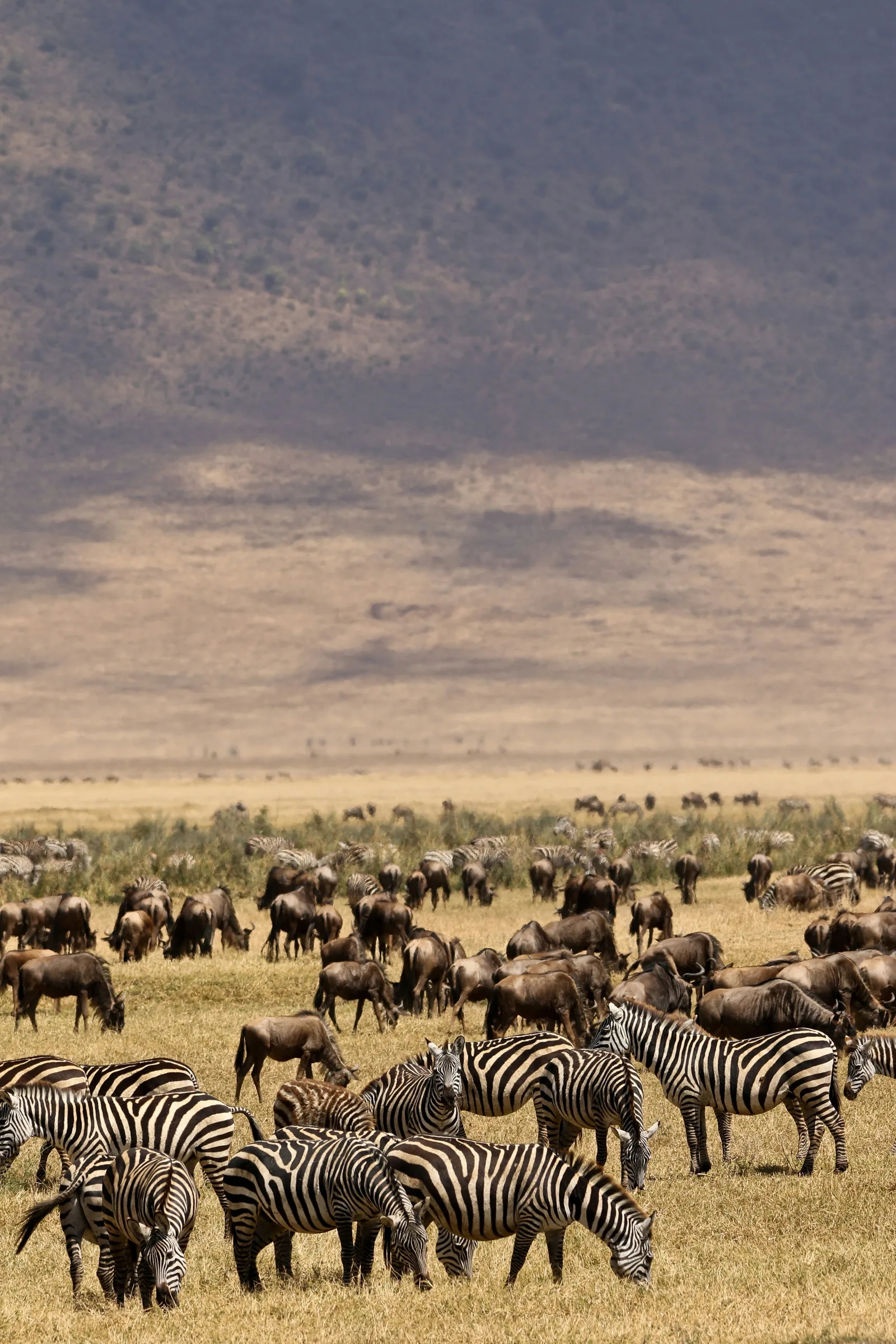
The Great Migration is a moving wildlife event across the Serengeti ecosystem, rather than a sight fixed to one viewpoint. Begin by deciding whether your interest is in broad herds on the plains, young animals or the possibility of river activity. Those priorities shape where you stay as much as when you travel.
A river crossing cannot be promised for a particular day. Treat the migration as the focus of a wider safari, with time for other wildlife and landscapes instead of making a single sighting the measure of the whole trip.
Match the season to your priorities
TANAPA identifies June to October as a general dry-season window for wildlife viewing, November to December as the short rains, and March to May as the long rains. These broad periods help frame a conversation about weather and travel conditions; they are not a timetable for a particular herd or crossing.
Ask which area fits your dates, what road conditions may mean for the route, and whether the proposed camp will be operating. If seeing a specific migration stage is the main purpose of your trip, discuss that before finalizing flights or accommodation.
Choose your base with the route
Ask your planner which part of the Serengeti suits your dates and how much driving is involved from the proposed camp. A beautiful lodge in the wrong area for your priorities may leave you spending more of each day in transit.
If your dates are fixed, let the routing adapt to them. If the wildlife experience is the priority, share that before booking international flights so the team can suggest a suitable plan.
Leave room for a slower day
Rather than changing camps every night, consider spending several nights in one well-chosen area. That gives your guide room to respond to conditions and lets you enjoy early starts without packing immediately afterwards. Tell us your dates, preferred pace and whether migration viewing is essential or simply one part of your journey.